Leveraging Multi-Cloud Strategies for Business Agility
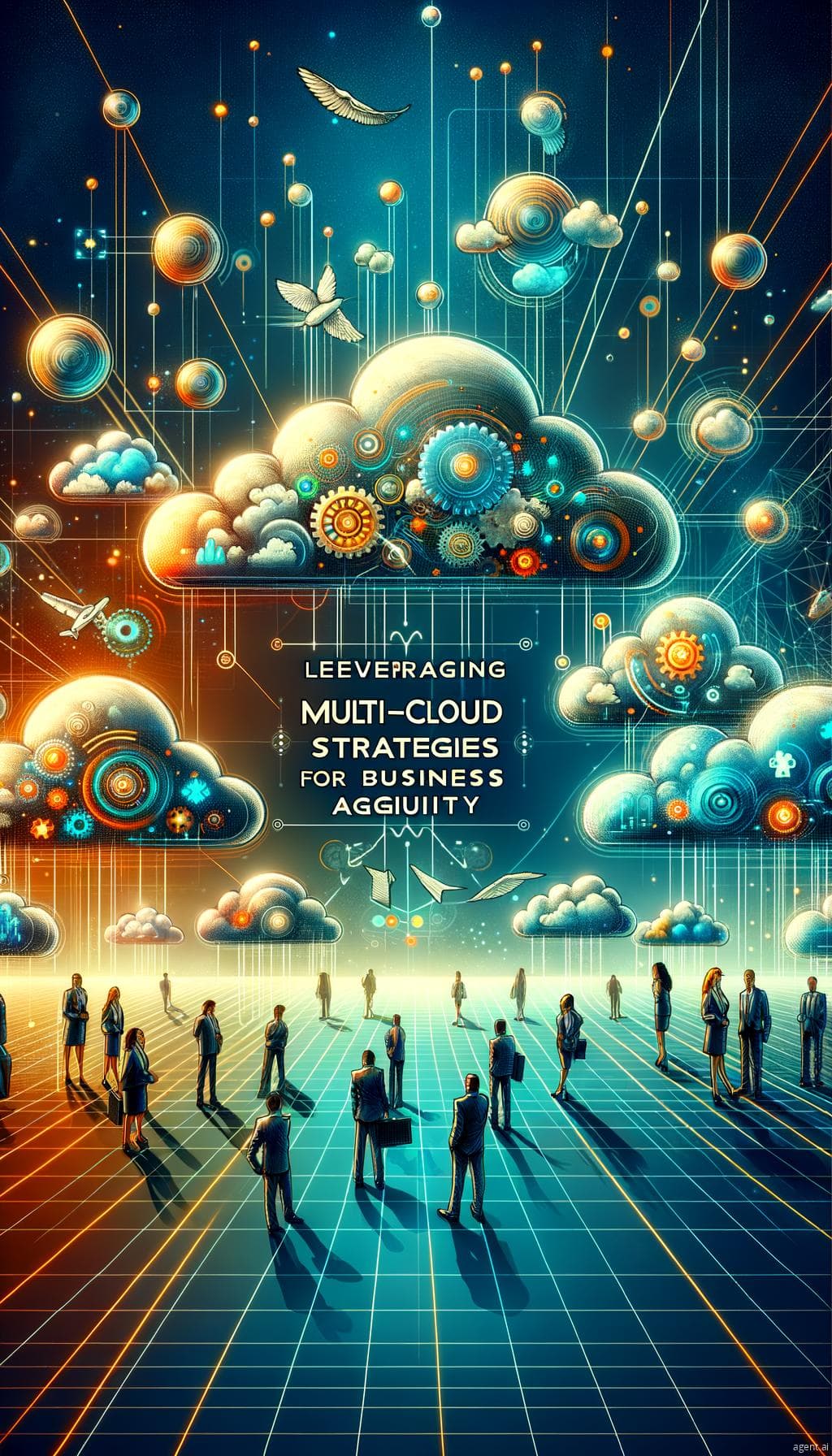
In the rapidly evolving digital era, businesses are no longer confined to a single cloud provider. The multi-cloud approach—leveraging multiple cloud platforms from providers like AWS, Google Cloud, and Microsoft Azure—has become a cornerstone of IT agility and resilience. This strategy empowers organizations to optimize workloads, avoid vendor lock-in, and enhance performance across global environments.
Why Multi-Cloud Matters
The shift toward multi-cloud adoption stems from a desire for greater flexibility and risk mitigation. By diversifying across platforms, companies can:
- Reduce dependency on a single vendor and minimize exposure to outages or pricing changes.
- Optimize performance by deploying applications closer to users or specific geographies.
- Leverage the best tools each provider offers—for instance, AWS for storage, Azure for enterprise integration, and Google Cloud for AI/ML workloads.
Key Benefits of Multi-Cloud Strategies
- Multi-cloud environments enable redundancy and failover across regions, reducing downtime risks.
- Businesses can compare pricing models and dynamically shift workloads to more cost-efficient providers.
- Deploying workloads closer to customers minimizes latency and improves user experience.
- Teams can experiment with unique cloud-native services without being tied to a single ecosystem.
Challenges to Consider
While multi-cloud strategies offer undeniable advantages, they also introduce complexities:
- Integration and Management: Coordinating resources across platforms can increase administrative overhead.
- Security and Compliance: Ensuring consistent security policies and data governance across clouds is crucial.
- Cost Tracking: Without proper monitoring, costs can spiral due to overlapping services.
Best Practices for Multi-Cloud Success
- Adopt a Cloud-Native Mindset: Design applications to be portable and resilient across environments.
- Use Unified Monitoring and Security Tools: Implement solutions like Datadog, Splunk, or Prisma Cloud to maintain visibility.
- Automate Deployment Pipelines: Continuous Integration/Continuous Deployment (CI/CD) tools streamline operations across providers.
- Establish Clear Governance Policies: Define ownership, budget limits, and compliance frameworks early.
The Future of Multi-Cloud
As edge computing, AI workloads, and global user demands expand, the multi-cloud model will evolve into a standard operating paradigm for enterprise IT. Emerging technologies like Kubernetes, service meshes, and cross-cloud orchestration will further simplify interoperability and workload mobility.